

Key Takeaway: Copper deficiency is more common than most people realize, and it can take months to years to recognize. Because its symptoms overlap with many other conditions -- from anemia to neurological issues -- copper is frequently overlooked during routine bloodwork. Learning the warning signs, the common causes, and how the deficiency is diagnosed is the first step toward feeling like yourself again -- always alongside a healthcare professional.
What Is Copper Deficiency?
Copper is an essential trace mineral your body cannot make on its own. It contributes to normal energy-yielding metabolism, the normal functioning of the nervous system, normal iron transport in the body, the normal function of the immune system, and the protection of cells from oxidative stress. When the body does not get or absorb enough copper over time, levels can drop below the threshold these everyday processes rely on.
The recommended dietary allowance (RDA) for adults is 900 mcg per day, with a tolerable upper intake level (UL) of 10 mg per day. During pregnancy, the RDA increases to 1,000 mcg, and during lactation, to 1,300 mcg (NIH Office of Dietary Supplements).
Despite these relatively modest requirements, certain populations are at elevated risk for inadequate copper status -- and the time from onset to recognition can stretch from months to years, according to research published in PMC10733163.
12 Signs Associated With Copper Deficiency
The symptoms of copper deficiency are diverse and can affect multiple organ systems. The following have been documented in clinical literature (Cleveland Clinic; PMC10733163). They are non-specific, which is exactly why a healthcare professional should interpret them:
1. Persistent Fatigue
Copper contributes to normal energy-yielding metabolism. When status is low, unexplained and ongoing fatigue is one of the most commonly reported signs in the clinical literature -- a reminder of how much your daily energy depends on getting the basics right.
2. Anemia
Copper deficiency has been associated with multiple forms of anemia -- microcytic, normocytic, and macrocytic. Because copper contributes to normal iron transport in the body, a deficiency can mimic iron-deficiency anemia and may not respond to iron supplementation alone.
3. Neutropenia (Low White Blood Cell Count)
A reduction in neutrophils -- a type of white blood cell -- is a hallmark laboratory finding in copper deficiency. Copper contributes to the normal function of the immune system, which depends on these cells.
4. Frequent Infections
Related to neutropenia, individuals with low copper status may report recurring or prolonged infections. Copper contributes to the normal function of the immune system.
5. Premature Greying of Hair
Early greying has been associated with copper deficiency. Copper contributes to normal hair pigmentation.
6. Numbness and Tingling
Peripheral neuropathy -- presenting as numbness or tingling, particularly in the hands and feet -- has been documented when copper levels remain low for extended periods. Copper contributes to the normal functioning of the nervous system.
7. Muscle Weakness
Copper-related muscle weakness has been described in the clinical literature, ranging from mild to more pronounced. It may be subtle at first and gradually become more noticeable over time.
8. Ataxia (Loss of Coordination)
Ataxia refers to impaired coordination of voluntary movements. Research suggests that copper deficiency can be associated with this neurological sign when left unaddressed.
9. Gait Difficulty
Difficulty walking or an unsteady gait has been documented in cases of prolonged copper deficiency, often alongside other neurological signs like ataxia and numbness.
10. Bone Weakness
Copper contributes to the maintenance of normal connective tissues, which support bone structure. Deficiency has been associated with reduced bone density and increased fragility in the clinical literature.
11. Pale Skin
Pallor may accompany the anemia associated with copper deficiency. Copper also contributes to normal skin pigmentation.
12. Cold Sensitivity
Increased sensitivity to cold temperatures has been reported among individuals with copper deficiency in observational reports.
What Causes Copper Deficiency?
While dietary insufficiency is possible, copper deficiency more often results from absorption problems or interactions with other nutrients. The following causes are supported by published research (PMC10602995; PMC10510946):
Excess Zinc Intake
This is one of the most common and underrecognized causes. Zinc supplementation -- even at doses considered moderate -- upregulates a protein called metallothionein in intestinal cells. Metallothionein binds copper and traps it, reducing absorption. Over time, this can lead to progressive copper depletion. Anyone supplementing zinc at doses above 40 mg per day without balancing copper intake should be aware of this mechanism.
Bariatric Surgery
Approximately 10% of bariatric surgery patients develop copper deficiency. Surgical procedures that bypass or reduce the absorptive surface of the small intestine -- particularly gastric bypass -- can significantly impair mineral uptake, including copper.
Malabsorption Conditions
Conditions that damage or inflame the intestinal lining can reduce copper absorption. Celiac disease and Crohn's disease are two well-documented examples. In these cases, even adequate dietary copper intake may not translate to sufficient blood levels.
Restrictive Diets
Diets that severely limit food variety -- whether by choice or medical necessity -- can result in insufficient copper intake. This is particularly relevant for individuals following highly restrictive elimination diets without nutritional monitoring.
Long-Term Proton Pump Inhibitor (PPI) Use
PPIs reduce stomach acid, which may impair the absorption of several minerals, including copper. Long-term use (months to years) has been associated with reduced copper status.
Excessive Iron Supplementation
High-dose iron supplementation can compete with copper for absorption in the gastrointestinal tract. This is especially relevant for individuals taking iron supplements without monitoring their copper levels.
How Is Copper Deficiency Diagnosed?
Diagnosis is made by a healthcare professional and typically involves a combination of blood tests:
- Serum copper levels: Direct measurement of copper in the blood.
- Ceruloplasmin: A protein that carries approximately 95% of blood copper. Normal levels range from 20 to 40 mg/dL. Low ceruloplasmin alongside low serum copper strengthens the diagnosis.
- Complete blood count (CBC): Used to identify anemia and neutropenia -- two of the most characteristic laboratory findings.
- Zinc levels: Because excess zinc is a leading cause of copper deficiency, measuring zinc helps identify the underlying trigger.
One of the challenges with copper deficiency is the delay in recognition. According to research published in PMC10733163, the time from symptom onset to diagnosis can range from months to years, largely because the symptoms overlap with many other conditions and copper is not routinely tested in standard bloodwork panels. If any of this sounds familiar, it is worth a conversation with your healthcare provider.
How Copper Deficiency Is Addressed
Medical Management
Under medical supervision, copper deficiency is typically managed with approximately 2 mg of supplemental copper per day. According to the Cleveland Clinic:
- Blood counts (anemia, neutropenia) may begin to change within 4 to 6 weeks of starting supplementation.
- Neurological symptoms -- such as numbness, tingling, ataxia, and gait problems -- tend to take significantly longer, often months. In some cases, the clinical literature notes that neurological changes may not fully resolve.
It is essential that any supplementation be guided by a healthcare provider, particularly to confirm the correct form and dose and to monitor progress through follow-up blood tests.
Dietary Adjustments
Increasing dietary copper through foods rich in copper like organ meats, shellfish, nuts, seeds, and legumes can help support adequate intake. However, in cases of confirmed deficiency -- especially those caused by malabsorption or zinc excess -- dietary changes alone may not be sufficient, and a healthcare professional should guide the next steps.
Addressing Underlying Causes
Effective management also means identifying and addressing the root cause:
- If excess zinc supplementation is the trigger, adjusting the zinc-to-copper ratio or adding copper is often part of the conversation with your provider.
- If malabsorption is the issue, managing the underlying gastrointestinal condition is a priority.
- If long-term PPI use is involved, discussing alternatives with a healthcare provider may be appropriate.
Frequently Asked Questions
How common is copper deficiency?
Copper deficiency is considered relatively uncommon in the general population, but it is likely underdiagnosed because copper is not part of routine blood panels. It is more prevalent in specific populations, including bariatric surgery patients, individuals with malabsorption conditions, and those taking high-dose zinc supplements.
Can copper deficiency cause permanent changes?
The clinical literature suggests that while blood-related findings (anemia, neutropenia) tend to respond well within weeks, neurological signs may take months to change and, in some cases, may not fully resolve. Early recognition and medical care are important.
How much copper do I need per day?
The RDA for adults is 900 mcg (0.9 mg) per day. During pregnancy, the recommendation increases to 1,000 mcg, and during lactation, to 1,300 mcg. The tolerable upper intake level is 10 mg per day (NIH ODS).
Can taking zinc cause copper deficiency?
Yes. Excess zinc upregulates metallothionein, a protein that traps copper in intestinal cells and reduces its absorption. This is one of the most common causes of acquired copper deficiency.
What blood tests check for copper deficiency?
The primary tests are serum copper, ceruloplasmin, and a complete blood count (CBC). Zinc levels are also commonly tested to rule out zinc-induced copper depletion.
Where Copper Synergy Fits
Important: copper supplementation is not appropriate for everyone -- for example, it is not suitable for individuals with Wilson's disease. Always consult your healthcare provider before starting any copper supplement.
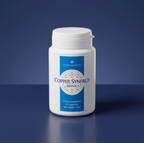
CSR-01 by Copper Synergy uses 100 mg of sodium copper chlorophyllin from mulberry leaves, alongside 8 co-factors. It was developed as a way to deliver copper in an organic, bound form, as part of a broader nutritional approach to maintaining normal copper status. Copper contributes to normal energy-yielding metabolism, the normal functioning of the nervous system, the normal function of the immune system, the maintenance of normal connective tissues, normal iron transport in the body, and the protection of cells from oxidative stress -- everyday foundations for feeling like yourself.
Sources: Cleveland Clinic; NIH Office of Dietary Supplements; PMC10733163; PMC10602995; PMC10510946.
Wondering whether your copper intake measures up?
Take the Copper Nutrition Quiz to learn more -- then bring any questions to your healthcare professional.
Related research
Continue exploring this topic:
Frequently asked questions
What are the early signs of copper deficiency?
Commonly reported early signs include fatigue, frequent infections, pale skin, and tingling in the hands or feet. These are non-specific, so a blood test for copper and ceruloplasmin, interpreted by a healthcare professional, is the only reliable way to confirm low copper.
What causes copper deficiency?
The most common causes are long-term high-dose zinc (zinc competes with copper for absorption), gastric or bariatric surgery, and very restrictive diets. Some gut conditions that reduce absorption can also contribute.
How can I get more copper?
Copper is found in shellfish, organ meats, nuts, seeds, dark chocolate and leafy greens. When diet isn't enough, a bioavailable copper supplement can help maintain normal copper levels, ideally balanced with zinc. Speak with your healthcare professional about what is right for you.


