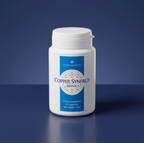


Key fact: Brain fog is not a medical diagnosis — it is a cluster of cognitive symptoms including difficulty concentrating, forgetfulness, mental confusion, and slow thinking. It affects an estimated 600 million people worldwide and can be associated with nutritional gaps, sleep deprivation, stress, hormonal changes, and chronic inflammation.
What Is Brain Fog?
Brain fog describes a state of mental cloudiness where your thinking feels sluggish, unfocused, and unclear. It is not a clinical diagnosis but rather a recognized set of cognitive symptoms that interfere with daily function.
Ross et al. (2013) published one of the first formal evaluations of brain fog in Clinical Autonomic Research, surveying patients with postural tachycardia syndrome (POTS). They found that 95% of patients reported brain fog, with the most common descriptors being: forgetful, cloudy, difficulty focusing, difficulty thinking, and difficulty finding words. Crucially, the study distinguished brain fog from general fatigue — patients experienced cognitive symptoms independent of tiredness.
Theoharides et al. (2015) in Frontiers in Neuroscience defined brain fog as "a constellation of symptoms that include reduced cognition, inability to concentrate and multitask, as well as loss of short- and long-term memory." Their research linked brain fog to neuroinflammation, mast cell activation, and oxidative stress — biological mechanisms, not just subjective complaints.
What Does Brain Fog Feel Like?
People experiencing brain fog typically report some or all of the following symptoms:
| Symptom | What It Feels Like | Impact |
|---|---|---|
| Difficulty concentrating | Cannot maintain focus on tasks, easily distracted | Reduced work productivity |
| Forgetfulness | Forgetting names, appointments, what you walked into a room for | Daily life disruption |
| Mental confusion | Feeling disoriented, losing track of conversations | Social and professional difficulty |
| Slow thinking | Processing information takes noticeably longer than usual | Decision-making impaired |
| Word-finding difficulty | Knowing what you want to say but unable to retrieve the word | Communication frustration |
| Mental fatigue | Cognitive exhaustion after minimal mental effort | Reduced endurance for mental tasks |
Is Brain Fog a Real Medical Condition?
Brain fog is not listed as a standalone diagnosis in any medical classification system (ICD-11 or DSM-5). However, it is increasingly recognized by clinicians as a legitimate symptom complex with identifiable biological underpinnings.
Kverno (2021) published a clinical review in the Journal of Psychosocial Nursing arguing that brain fog deserves serious clinical attention because it has identifiable etiologies and a predictable symptom profile. The review identified nutritional gaps, sleep disruption, hormonal changes, chronic stress, and post-viral inflammation as the most common reversible triggers — which is why a conversation with a qualified healthcare professional is the right starting point.
Since 2020, brain fog has received significant attention as a hallmark symptom of post-COVID syndrome. Ceban et al. (2022) conducted a meta-analysis in Brain, Behavior, and Immunity finding that cognitive symptoms affect approximately 32% of post-COVID patients, persisting months after initial infection. The proposed mechanisms include neuroinflammation, microglial activation, and cerebrovascular changes.
What Causes Brain Fog?
Brain fog is a downstream symptom — it generally has an upstream cause worth understanding. For a detailed breakdown, see our guide to the 12 most common causes of brain fog. The most discussed triggers include:
1. Nutritional Gaps
Several micronutrients are part of how the nervous system functions day to day, and shortfalls in them are often discussed alongside brain fog symptoms:
- Copper — copper contributes to the normal functioning of the nervous system and to normal energy-yielding metabolism (EU-authorized health claims).? It is one of the minerals worth checking when you and your doctor are reviewing your overall intake (read our full guide)
- Iron — involved in oxygen transport to the brain
- Vitamin B12 — important for healthy myelin and nerve conduction
- Vitamin D — low levels have been associated with cognitive decline in multiple studies
- Magnesium — involved in synaptic plasticity and neurotransmitter release
Huskisson et al. (2007) reviewed in the Journal of International Medical Research how vitamins and minerals — including copper, iron, and B vitamins — participate in normal energy metabolism, underscoring why an adequate, balanced intake matters for everyday wellbeing.
2. Sleep Deprivation
Even one night of poor sleep significantly impairs attention, working memory, and executive function. Irwin (2015) demonstrated in the Annual Review of Psychology that sleep deprivation triggers neuroinflammation — the same mechanism linked to brain fog in chronic conditions.
3. Chronic Stress
Prolonged cortisol elevation is associated with effects on hippocampal neurons, memory consolidation, and prefrontal cortex function. Lopresti (2020) reported that chronic stress is also associated with lower concentrations of minerals including copper, magnesium, and zinc — one reason a balanced intake is worth keeping an eye on during demanding periods.
4. Gut Health and Food Sensitivities
Yelland (2017) documented that celiac disease is associated with brain fog through multiple pathways: malabsorption of key minerals (including copper), neuroinflammation, and autoimmune mechanisms. A gluten-free diet was associated with improved cognitive symptoms in affected patients.
5. Hormonal Changes
Perimenopause, pregnancy, thyroid dysfunction, and blood sugar dysregulation are all discussed in relation to cognitive clarity through their influence on neurotransmitter balance and cerebral blood flow.
6. Medications
Antihistamines, benzodiazepines, statins, proton pump inhibitors, and certain antidepressants list cognitive impairment as a known side effect. PPIs are particularly relevant as they can also reduce copper and B12 absorption.
How to Approach Brain Fog
Because brain fog is a symptom with identifiable causes, working through it means looking at those causes systematically — ideally with a healthcare professional. We cover this topic in depth in our guide on how to get rid of brain fog. Here are the key areas people look at:
Nutritional Strategies
- Check your mineral levels — copper, iron, zinc, magnesium, and B12 are among the most commonly discussed nutritional factors; ask your doctor about testing
- Eat copper-rich foods — liver, shellfish, dark chocolate, nuts, seeds (see our food guide)
- Consider a balanced intake of key minerals — including bioavailable forms such as sodium copper chlorophyllin for copper, as part of a varied diet (see our supplement guide)
- Support gut health — fermented foods, fiber, and elimination of trigger foods
Lifestyle Strategies
- Prioritize sleep — 7-9 hours, consistent schedule, dark and cool environment
- Exercise regularly — Hillman et al. (2008) demonstrated that aerobic exercise increases BDNF, enhances cerebral blood flow, and is associated with improved cognitive function
- Manage stress — meditation, breathwork, and cortisol-lowering practices
- Stay hydrated — even mild dehydration (2%) impairs concentration and working memory
When to See a Doctor
Seek medical evaluation if brain fog:
- Persists for more than 2-3 weeks despite lifestyle changes
- Is accompanied by severe headaches, vision changes, or weakness
- Follows a head injury or illness
- Significantly impairs your ability to work or function daily
EU-authorized copper health claims
Where this article mentions copper, only the following claims are authorized in the EU. Copper contributes to:
- a normal energy-yielding metabolism
- the normal functioning of the nervous system
- the normal function of the immune system
- the maintenance of normal connective tissues
- normal iron transport in the body
- the protection of cells from oxidative stress
- normal hair pigmentation
- normal skin pigmentation
Curious whether your copper intake is where it should be?
Take the Copper Health Assessment to learn more, then talk it through with your healthcare professional.
Sources
- Ross AJ, Medow MS, Rowe PC, Stewart JM. "What is brain fog?" Clinical Autonomic Research, 2013; 23(6):305-311. PMID: 23740184.
- Theoharides TC et al. "Brain fog, inflammation and obesity." Frontiers in Neuroscience, 2015; 9:225. PMID: 26190965.
- Kverno K. "Brain Fog: A Bit of Clarity." J Psychosocial Nursing, 2021; 59(11):9-13. PMID: 34709104.
- Ceban F et al. "Fatigue and cognitive impairment in Post-COVID-19 Syndrome." Brain Behav Immun, 2022; 101:93-135. PMID: 34973396.
- Ocon AJ. "Caught in the thickness of brain fog." Frontiers in Physiology, 2013; 4:63. PMID: 23576989.
- Huskisson E et al. "Vitamins and minerals in energy metabolism." J Int Med Res, 2007; 35(3):277-289. PMID: 17593855.
- Irwin MR. "Why sleep is important for health." Ann Rev Psychology, 2015; 66:143-172. PMID: 25061767.
- Lopresti AL. "Stress on Micronutrient Concentrations." Advances in Nutrition, 2020; 11(1):103-112. PMID: 31504084.
- Yelland GW. "Gluten-induced cognitive impairment." J Gastroenterol Hepatol, 2017; 32 Suppl 1:90-93. PMID: 28244662.
- Hillman CH et al. "Exercise effects on brain and cognition." Nature Rev Neuroscience, 2008; 9(1):58-65. PMID: 18094706.
- Bourre JM. "Effects of nutrients on the nervous system." J Nutr Health Aging, 2006; 10(5):377-385. PMID: 17066209.
Medical disclaimer. This article is for informational and educational purposes only and does not constitute medical advice, diagnosis, or treatment. Always consult a qualified healthcare professional before starting any supplement, especially if you are pregnant, nursing, taking medication, or have a diagnosed medical condition. Statements about copper and health refer only to EU-authorized health claims and have not been evaluated by the FDA, MHRA, or TGA. Individual results may vary. Copper Synergy Repair is a food supplement and is not intended to diagnose, treat, cure, or prevent any disease.
Related research
Continue exploring this topic:


