
Key Takeaway: Copper is found in a wide range of foods, from organ meats and shellfish to nuts, seeds, and legumes. Most adults need 900 mcg per day. Absorption varies depending on your total intake and what else is in your diet -- particularly zinc, which competes with copper for uptake.
Why copper matters
Copper is an essential trace mineral. Your body cannot make it, so it has to come from what you eat -- and quietly, day after day, it does a lot of the work you never think about. Among the EU-authorised health claims, copper contributes to normal energy-yielding metabolism, copper contributes to the normal functioning of the nervous system, copper contributes to normal iron transport in the body, and copper contributes to the maintenance of normal connective tissues.
The protein ceruloplasmin carries copper in the blood and plays a role in how iron moves through the body (Osaki S et al., 1966; PubMed). It is the kind of behind-the-scenes job that only becomes visible when something is missing -- which is exactly why getting enough copper, consistently, is worth paying attention to.
How much copper do you need?
Recommended intakes according to the NIH Office of Dietary Supplements (Link):
| Group | RDA (mcg/day) |
|---|---|
| Adults (19+) | 900 |
| Pregnant women | 1,000 |
| Lactating women | 1,300 |
| Upper limit (adults) | 10,000 (10 mg) |
Average daily intake in the US: men ~1,400 mcg, women ~1,100 mcg -- both above the RDA for most people.
15 foods highest in copper
Data sourced from USDA FoodData Central and NIH ODS. Daily Value (DV) based on 900 mcg RDA.
| # | Food | Serving | Copper (mg) | % DV |
|---|---|---|---|---|
| 1 | Beef liver, cooked | 1 oz (28g) | 4.0 | 444% |
| 2 | Oysters, Eastern, cooked | 3 oz (85g) | 4.9 | 544% |
| 3 | Dark chocolate (70-85%) | 1 oz (28g) | 0.5 | 56% |
| 4 | Shiitake mushrooms, cooked | 1/2 cup (73g) | 0.9 | 100% |
| 5 | Lobster, cooked | 3 oz (85g) | 1.6 | 178% |
| 6 | Cashews, raw | 1 oz (28g) | 0.6 | 67% |
| 7 | Sunflower seeds | 1/4 cup (35g) | 0.6 | 67% |
| 8 | Lentils, cooked | 1 cup (198g) | 0.5 | 56% |
| 9 | Hazelnuts | 1 oz (28g) | 0.5 | 56% |
| 10 | Crab, cooked | 3 oz (85g) | 0.7 | 78% |
| 11 | Chickpeas, cooked | 1 cup (164g) | 0.6 | 67% |
| 12 | Tofu, firm | 1/2 cup (126g) | 0.5 | 56% |
| 13 | Quinoa, cooked | 1 cup (185g) | 0.4 | 44% |
| 14 | Avocado | 1 medium (150g) | 0.3 | 33% |
| 15 | Potatoes, baked with skin | 1 medium (173g) | 0.3 | 33% |
Organ meats and shellfish deliver the most copper per serving. Plant sources like nuts, seeds, and legumes contribute meaningful amounts, especially when consumed regularly.
What affects copper absorption?
Not all copper in food is absorbed equally. The NIH notes that absorption ranges from about 75% when dietary intake is low (400 mcg/day) to about 12% when intake is high (7.5 mg/day). Your body regulates how much it absorbs based on need (NIH ODS).
Factors that may reduce absorption
Zinc: Zinc and copper compete for absorption in the small intestine. High zinc intake (often from supplements) upregulates a protein called metallothionein, which binds copper and prevents it from entering the bloodstream. Long-term zinc supplementation without copper has been documented as a cause of copper deficiency -- a dynamic explored in detail in our article on the copper-zinc balance (PMC10510946; PMC).
Phytates: Found in whole grains, legumes, and seeds, phytates can bind minerals including copper and reduce their absorption. Cooking, soaking, and fermenting these foods may reduce phytate content.
Iron supplements: High-dose iron supplements may interfere with copper absorption when taken at the same time.
Factors that may support absorption
Adequate protein intake: Amino acids, particularly histidine, may facilitate copper transport across the intestinal wall.
Stomach acid: Copper absorption occurs primarily in the small intestine and benefits from a normal acidic environment in the stomach.
When diet alone may not be enough
Most people who eat a varied diet meet their copper requirements. However, certain groups may be at higher risk for inadequate copper intake:
- People who take zinc supplements without balancing with copper (the recommended ratio is approximately 8-15:1 zinc to copper)
- People who have had bariatric surgery -- approximately 10% develop copper deficiency post-surgery due to reduced absorption capacity (PMC10602995; PMC)
- People with malabsorption conditions such as celiac disease or Crohn's disease
- People on highly restrictive diets that exclude major copper sources
In these cases, a healthcare provider may recommend copper supplementation to help address the shortfall. Left unaddressed, prolonged low intake can lead to clinical copper deficiency. If you recognise yourself here, the right next step is a conversation with your healthcare professional -- not guesswork.
Frequently asked questions
What food has the most copper?
Beef liver and oysters contain the highest concentrations of copper per serving. A single ounce of cooked beef liver provides about 4 mg -- more than four times the daily recommended intake.
Can I get enough copper from a vegetarian diet?
Yes. Nuts (cashews, hazelnuts), seeds (sunflower), legumes (lentils, chickpeas), dark chocolate, and mushrooms are all meaningful sources. Variety and consistent intake are important.
Does cooking affect copper content in food?
Copper is relatively stable during cooking. However, boiling in large amounts of water may cause some mineral loss into the cooking liquid. Roasting, baking, and steaming preserve copper well.
How do I know if I am getting enough copper?
Most people with a varied diet meet the RDA without effort. If you belong to a higher-risk group or have concerns, ask your doctor for a serum copper and ceruloplasmin blood test rather than self-diagnosing.
Should I take a copper supplement if I eat copper-rich foods?
For most people, diet alone is sufficient. Supplementation may be appropriate under medical guidance for those with documented deficiency, malabsorption, or high zinc intake. Do not self-supplement without testing.
When supplementation is considered
For individuals whose dietary intake falls short or whose absorption is compromised, copper supplementation may be discussed with a healthcare provider. The form of copper in a supplement can vary -- from inorganic salts like copper oxide to organic forms like copper bisglycinate and plant-derived compounds like sodium copper chlorophyllin.
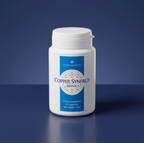
CSR-01 by Copper Synergy uses 100 mg of sodium copper chlorophyllin derived from mulberry leaves -- a plant-based form where copper is bound to a chlorophyll-derived molecule. The formula includes 8 additional co-factors including vitamin C (80 mg) and vitamin A (800 mcg). As an EU-authorised claim, copper contributes to the protection of cells from oxidative stress.
Important: Copper supplementation is not appropriate for individuals with Wilson's disease. Consult your healthcare provider before starting any copper supplement.
Sources:
- NIH Office of Dietary Supplements. "Copper -- Health Professional Fact Sheet." Link
- Osaki S et al. (1966). "The role of ceruloplasmin in iron metabolism." J Biol Chem. PubMed
- PMC10510946. "Zinc-induced copper deficiency." PMC
- PMC10602995. "Copper and zinc abnormalities post bariatric surgery." PMC
- USDA FoodData Central. Link
Wondering whether your diet covers your copper needs?
Take the Copper Nutrition Quiz to learn more.
Related research
Continue exploring this topic:
Frequently asked questions
What foods are highest in copper?
The richest sources are shellfish (especially oysters), organ meats such as liver, nuts and seeds (cashews, sesame), dark chocolate, mushrooms and leafy greens.
How much copper do I need per day?
The EU reference intake for adults is around 1 mg per day. A varied diet usually covers this, though restrictive diets or high zinc intake can make it harder to reach.
Can I get too much copper from food?
Getting too much copper from food alone is very unlikely. Excess intake usually comes from supplements or water, which is why balance, especially with zinc, matters.


