

Key Takeaway: Brain fog usually eases when its underlying cause is addressed. The strategies with the strongest support target sleep quality, hydration, steady blood sugar, stress, and physical activity. If basic lifestyle changes do not help, bloodwork can reveal nutritional gaps -- such as iron, B12, or copper -- that are rarely checked in routine panels. Any deficiency should be confirmed and managed with a healthcare professional.
10 strategies that work
1. Fix your sleep first
This is the single highest-impact intervention. During deep sleep, the brain clears metabolic waste through the glymphatic system. Aim for 7-9 hours. Consistent sleep and wake times matter more than total hours. Avoid screens 1 hour before bed. Keep the room dark and cool.
2. Move your body daily
Exercise increases cerebral blood flow and promotes BDNF (brain-derived neurotrophic factor) release. Even a 20-minute walk improves focus for hours afterward. Aim for 150 minutes of moderate activity per week.
3. Hydrate consistently
Dehydration of as little as 2% of body weight impairs cognitive function. Keep water accessible throughout the day. If you drink coffee, match each cup with a glass of water.
4. Stabilize blood sugar
Avoid large gaps between meals. Combine protein, fat, and fiber at each meal to prevent glucose spikes and crashes. Brain fog after eating may signal insulin resistance -- discuss with your doctor.
5. Manage chronic stress
Prolonged cortisol elevation impairs hippocampal function. Practical strategies: time-limited news consumption, scheduled breaks during work, breathing exercises (4-7-8 pattern), and regular physical activity.
6. Check your iron levels
Iron deficiency -- even without anemia -- can impair cognitive function. A randomized trial showed iron supplementation improved cognitive task completion 5-7 times faster in iron-deficient women (Murray-Kolb & Beard, 2007; PubMed). Test: serum ferritin plus transferrin saturation.
7. Check your B12
A review of 43 studies confirmed B12 deficiency causes cognitive impairment. Supplementation improved cognition in 84% of deficient participants. Vegans, older adults, and PPI users are at higher risk (Langan & Goodbred, 2017; PubMed). Test: serum B12 and methylmalonic acid.
8. Check your copper and ceruloplasmin
Copper is an essential trace mineral. Copper contributes to the normal functioning of the nervous system and to normal energy-yielding metabolism (EFSA-authorised claims). Copper status is one of the least commonly checked values in routine panels, so if your other results come back normal it can be a gap worth discussing. Ask for: serum copper + ceruloplasmin, and have a healthcare professional interpret the results.
9. Review your medications
Antihistamines, benzodiazepines, PPIs, statins, and some blood pressure medications list cognitive side effects. If brain fog started with a new medication, discuss alternatives with your prescriber.
10. Reduce alcohol
Even moderate alcohol consumption can impair sleep quality and cognitive function the following day. If brain fog is persistent, consider a 30-day elimination to see if it resolves.
Supplements: what the evidence says {#supplements}
If bloodwork reveals a specific deficiency, targeted supplementation under medical guidance can help correct that gap. Here is what the research says about the nutrients most often discussed:
Iron
Evidence level: Strong Iron deficiency impairs cognition even without anemia. Supplementation improved cognitive task speed 5-7x in deficient women (Murray-Kolb & Beard, 2007; PubMed). Test first -- excess iron is harmful.
Vitamin B12
Evidence level: Strong Deficiency causes "mental fogginess." Supplementation improved cognition in 84% of deficient participants in a 202-person study (Langan & Goodbred, 2017; PubMed). Vegans and older adults are at higher risk.
Omega-3 fatty acids (DHA)
Evidence level: Moderate DHA is a structural component of brain cell membranes. Multiple studies suggest omega-3 supplementation may support cognitive function, particularly in those with low dietary intake.
Vitamin D
Evidence level: Moderate Low vitamin D has been associated with cognitive impairment in observational studies. Supplementation evidence is mixed -- more beneficial in those who are deficient.
Magnesium
Evidence level: Moderate Magnesium is involved in over 300 enzymatic reactions. Magnesium L-threonate has been specifically studied for its ability to cross the blood-brain barrier.
Copper
An essential trace mineral. Copper contributes to the normal functioning of the nervous system, to normal energy-yielding metabolism, and to the protection of cells from oxidative stress (EFSA-authorised claims). Because the body needs copper in only small amounts and stores little of it, both too little and too much can be a problem -- which is why copper is best assessed through testing rather than guessed at. If you are exploring copper, do so under the guidance of a healthcare professional. For more on copper as a nutrient, see What Causes Brain Fog.
The testing-first approach
Rather than buying a stack of supplements, the most effective strategy is:
- Get bloodwork: iron/ferritin, B12, vitamin D, serum copper + ceruloplasmin, zinc
- Identify which specific deficiency (if any) is present
- Supplement only what is needed, at the right dose
- Retest after 3 months
This approach avoids wasting money on supplements you do not need and prevents potential interactions (e.g., zinc depleting copper).
The testing panel to ask for
If strategies 1-5 do not resolve your brain fog, ask your doctor for:
| Test | What it checks | Why it matters |
|---|---|---|
| Serum ferritin + transferrin sat. | Iron stores and availability | Iron deficiency impairs cognition even without anemia |
| Vitamin B12 + methylmalonic acid | B12 status | Deficiency causes "mental fogginess" |
| Vitamin D (25-OH) | Vitamin D levels | Low levels associated with cognitive impairment |
| Serum copper + ceruloplasmin | Copper status | An essential trace mineral rarely checked in routine panels |
| Zinc | Zinc levels | Excess zinc depletes copper |
| TSH + free T4 | Thyroid function | Hypothyroidism causes brain fog |
| Fasting glucose + HbA1c | Blood sugar regulation | Insulin resistance impairs brain function |
Frequently asked questions
How long does it take to clear brain fog?
It depends on the cause. Sleep and hydration improvements can produce results in days. Nutritional deficiency correction typically shows effects within 4-8 weeks. Recovery from a severe, prolonged deficiency may take longer and should be followed by a healthcare professional.
Can supplements help with brain fog?
If brain fog is linked to a specific, confirmed deficiency (such as iron or B12), correcting that gap under medical guidance is the sensible route. Eating a varied diet -- including copper-rich foods -- helps you meet your needs from food first. There is no universal "brain fog supplement"; the right approach depends on identifying the root cause with your doctor.
Is brain fog permanent?
In most cases, no. Brain fog from lifestyle factors, deficiencies, or medications is typically reversible once the underlying cause is addressed. The exception is severe, prolonged neurological damage from untreated deficiencies -- another reason to confirm causes with a professional.
A note about copper testing
Among the nutrients listed above, copper is the least commonly tested and the most frequently overlooked. If your iron, B12, and vitamin D are normal but brain fog persists, copper status may be worth investigating with your doctor.
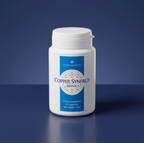
CSR-01 by Copper Synergy provides 100 mg of sodium copper chlorophyllin per capsule -- a plant-derived form of bound copper -- alongside vitamin C and vitamin A. Copper contributes to the normal functioning of the nervous system; vitamin C and vitamin A contribute to the normal function of the immune system (EFSA-authorised claims).
Important: Copper supplementation is not appropriate for individuals with Wilson's disease. Consult your healthcare provider before starting any copper supplement.
Sources:
- Murray-Kolb LE, Beard JL. (2007). "Iron treatment normalizes cognitive functioning." PubMed
- Langan RC, Goodbred AJ. (2017). "Vitamin B12 deficiency." PubMed
Curious about where you stand on copper?
Take the Copper Nutrition Quiz to learn more.
Related research
Continue exploring this topic:
Frequently asked questions
What actually clears brain fog?
The evidence points to consistent sleep, hydration, steady blood sugar, stress management, and movement. Where bloodwork shows a confirmed nutritional gap, correcting it with your doctor can be part of the picture. No single trick works; it is the combination of habits that helps.
How fast can you clear brain fog?
Some people feel clearer within days of improving sleep and hydration. Where a confirmed nutrient gap is involved, improvement usually comes over a few weeks of steady habits and appropriate guidance.
Do supplements help with brain fog?
Supplements are most relevant when bloodwork confirms a specific gap, for example iron or B-vitamins. They work best alongside sleep and nutrition, not as a replacement for them, and are best used under the guidance of a healthcare professional.


