
Key Takeaway: Zinc and copper compete for absorption in the small intestine. Long-term zinc supplementation without copper can deplete copper stores, which is one reason copper status is worth understanding if you take zinc. This article is educational; for your own situation, speak with a healthcare professional.
The zinc-copper competition
Zinc and copper are both absorbed in the small intestine through overlapping pathways. When zinc intake is high, the body produces more of a protein called metallothionein inside intestinal cells. Metallothionein has a higher affinity for copper than for zinc -- it binds copper inside the cell and limits how much enters the bloodstream (PMC10510946; PMC).
This is why sustained high zinc intake can lower copper status over time, not simply reduce a single meal's absorption.
How common is the problem?
Zinc supplements are widely used for immune support, skin, and other goals. Many people take 30-50 mg daily without considering the knock-on effect on copper.
Case reports in the medical literature describe low copper status associated with sustained zinc supplementation. It is often overlooked because routine testing looks at iron and B12 but not copper (PMC10510946). Understanding the balance is simply part of being informed -- not a reason for alarm.
What is the right ratio?
The dietary zinc-to-copper ratio commonly referenced in the literature is approximately 8-15:1. For example:
- If you take 15 mg of zinc, the literature suggests pairing it with roughly 1-2 mg of copper
- If you take 30 mg of zinc, keeping copper in view becomes more relevant
- Above 40 mg/day of zinc (the tolerable upper limit), the balance is worth discussing with a professional
Source: Thorne. "Supplementing with zinc and copper: a balancing act." Link
Why copper matters in the first place
Copper is an essential trace mineral, which is exactly why the zinc balance is worth understanding. Within the EU, the recognised roles of copper include the following authorised statements:
- Copper contributes to normal energy-yielding metabolism
- Copper contributes to the normal functioning of the nervous system
- Copper contributes to the normal function of the immune system
- Copper contributes to normal iron transport in the body
- Copper contributes to the protection of cells from oxidative stress
- Copper contributes to the maintenance of normal connective tissues
These describe copper's role in a body that already has what it needs -- which is precisely what high, unbalanced zinc intake can quietly work against.
Signs worth raising with your doctor
If you supplement zinc, it can be sensible to talk to your doctor about checking your copper and ceruloplasmin levels. Topics people sometimes raise with a professional include:
- Lasting tiredness
- Frequent infections
- Numbness or tingling in hands/feet
- Unexplained anemia (especially if iron supplements do not help)
- Early greying of hair
None of these are conclusions -- they are simply reasons some people decide to have their copper status looked at. Only a healthcare professional can interpret them.
How to keep the balance in view
- If you take zinc, keep copper in mind. Many quality zinc supplements already include 1-2 mg of copper. Check your label.
- Take them at different times. Zinc in the evening, copper in the morning -- this reduces direct competition for absorption.
- Test your levels. A serum copper, ceruloplasmin, and zinc panel gives the full picture. Ask your healthcare provider.
- Eat copper-rich foods. Organ meats, shellfish, nuts, seeds, and dark chocolate are dietary sources of copper that can help offset the zinc side of the balance.
Frequently asked questions
Does zinc really compete with copper?
Yes. This is well-documented in the medical literature. Zinc induces metallothionein production, which binds copper in intestinal cells and limits its absorption. This is why long-term zinc use without copper is discussed in terms of copper status.
How much copper is referenced if I supplement zinc?
A general guideline cited in the literature is roughly 1-2 mg of copper for every 15-30 mg of zinc. If your zinc intake exceeds 40 mg/day, discuss copper with your healthcare provider.
Can I get enough copper from food if I take zinc?
Possibly, if you regularly eat copper-rich foods (liver, oysters, cashews, dark chocolate). But if your zinc dose is high (30+ mg/day), it is worth raising the balance with your healthcare provider.
Bringing copper back into the picture
If you take zinc and want to give your body the copper that the balance can quietly work against, the form of copper is part of the conversation. Sodium copper chlorophyllin delivers copper in a plant-derived bound form that differs structurally from inorganic copper salts.
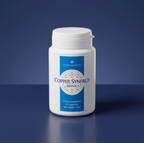
CSR-01 by Copper Synergy provides 100 mg of sodium copper chlorophyllin per capsule, alongside 8 co-factors. Made in France. Copper contributes to the normal functioning of the nervous system, to the normal function of the immune system, and to the protection of cells from oxidative stress.
Important: Copper supplementation is not appropriate for individuals with Wilson's disease. Consult your healthcare provider before starting any copper supplement.
Sources:
- PMC10510946. "Zinc-induced copper deficiency." PMC
- Thorne. "Supplementing with zinc and copper." Link
- NIH ODS. "Copper -- Health Professional Fact Sheet." Link
Curious where your copper-zinc balance stands?
Take the Copper Nutrition Quiz to learn more.
Related research
Continue exploring this topic:
Frequently asked questions
What is the ideal copper-to-zinc ratio?
Research often references a dietary zinc-to-copper ratio in the region of 8:1 to 12:1. The key point is that very high zinc without copper can tip the balance.
Can too much zinc cause problems?
Yes. Sustained high-dose zinc competes with copper absorption and has been linked to low copper status in the medical literature. If you supplement zinc long-term, this is worth discussing with a healthcare professional.
How do I keep copper and zinc balanced?
Favour food sources, avoid mega-dosing zinc on its own, and if you supplement zinc long-term include copper in a sensible ratio. A blood test can confirm your status.


