

Key Takeaway: Hand tremors have many potential causes, from essential tremor (the most common movement disorder) to medication side effects and nutritional deficiencies. Most tremors are benign, but some warrant medical evaluation. Copper is one of the nutrients the nervous system depends on -- a connection rarely discussed outside neurology literature. This article is educational and is not a diagnosis or a treatment.
What are hand tremors?
Tremor is an involuntary, rhythmic shaking of a body part -- most commonly the hands. According to the National Institute of Neurological Disorders and Stroke (NINDS), tremor can occur at rest or during movement and varies in severity from barely noticeable to functionally disabling (NINDS).
Common causes of hand tremors
1. Essential tremor
The most common movement disorder, essential tremor (ET) affects an estimated 4% of adults over 40. It typically presents as a bilateral hand tremor during action (writing, holding a cup) and may worsen with stress, caffeine, or fatigue. About half of cases have a genetic component (Mayo Clinic; Link).
2. Parkinson's disease
Parkinsonian tremor is characteristically a resting tremor -- the hand shakes when it is not being used. It usually starts on one side and is often accompanied by rigidity, slowness of movement, and postural instability. Parkinson's accounts for a minority of tremor cases but is the one most people fear.
3. Medication-induced tremor
Several medications can cause or worsen tremors. According to StatPearls (NCBI), common culprits include lithium, valproic acid, beta-adrenergic agonists (albuterol), SSRIs, and corticosteroids (NCBI).
4. Caffeine and stimulants
Excessive caffeine intake is a well-known trigger for temporary hand tremors. Stimulant medications (ADHD drugs, decongestants) can have a similar effect.
5. Stress and anxiety
The body's fight-or-flight response increases adrenaline output, which can cause transient trembling in the hands. This is physiological, not pathological.
6. Hyperthyroidism
An overactive thyroid gland accelerates metabolism and can cause fine hand tremors, along with weight loss, rapid heartbeat, and heat intolerance.
7. Low blood sugar (hypoglycemia)
When blood glucose drops too low, the body releases adrenaline to compensate. This can cause shaking, sweating, and confusion. Eating stabilizes it quickly.
8. Nutritional deficiencies
Several nutrient deficiencies have been associated with tremors or impaired motor function in published research:
- Copper: Copper contributes to the normal functioning of the nervous system. Copper deficiency has been associated with a range of neurological symptoms in the medical literature. A frequently cited study published in Science reported that, in quaking mutant mice -- which exhibit high-frequency tremors -- dietary copper supplementation was associated with reduced tremor frequency and normalized brain copper levels (Science, 1977; Link). This is animal research and does not describe an effect of supplementation in people.
- Magnesium: Low magnesium has been associated with muscle twitching and tremors.
- B12: Severe B12 deficiency causes peripheral neuropathy and can contribute to motor control problems.
9. Alcohol withdrawal
Tremors are an early symptom of alcohol withdrawal, typically appearing 6-24 hours after the last drink. These require medical management.
10. Heavy metal exposure
Exposure to lead and mercury has been associated with tremor development. Lead can cross the blood-brain barrier and increase its permeability to other harmful substances (PMC8698799; PMC).
When to see a doctor
Consult a healthcare provider if your tremor:
- Is new or worsening progressively
- Affects daily activities (writing, eating, dressing)
- Occurs at rest (when the hand is relaxed)
- Is accompanied by other neurological symptoms (stiffness, slowness, balance problems)
- Started after a new medication
- Is one-sided
A doctor can distinguish between essential tremor, Parkinsonian tremor, and other causes through clinical examination and, if needed, imaging or bloodwork.
Copper and the nervous system: what research describes
Copper contributes to the normal functioning of the nervous system. Its place in tremor biology is documented in the research literature but rarely discussed in consumer health content:
- An essential nutrient for nerve tissue: Copper is a cofactor for enzymes such as cytochrome c oxidase, which is involved in energy production inside cells, and lysyl oxidase, which contributes to the structural integrity of connective tissue. Copper contributes to the protection of cells from oxidative stress and to normal energy-yielding metabolism.
- Animal research: In a study published in Science, quaking mice with high-frequency axial tremors had abnormally low brain copper. When pregnant and lactating mice received supplemental dietary copper, their offspring showed reduced tremor frequency and normalized brain copper levels (Science, 1977; Link). These are findings in animals and do not establish an effect in humans.
- Copper status and the nervous system: Researchers have studied how the body's handling of copper relates to nervous-system biology, including the difference between free and bound copper (PMC6941745; PMC). This is an area of ongoing study, not a basis for self-treatment.
Important note: These findings describe biological roles and animal models. They do not show that a copper supplement treats, reduces, or improves tremors in humans. If you experience tremors, consult your healthcare provider for proper diagnosis.
Frequently asked questions
Are hand tremors serious?
Most hand tremors are benign -- essential tremor is the most common cause and is not dangerous, though it can be disruptive. However, tremors can also signal conditions like Parkinson's disease or metabolic disorders, so persistent or worsening tremors should be evaluated by a doctor.
Can vitamin deficiencies cause hand tremors?
Deficiencies in copper, magnesium, and B12 have been associated with tremors or impaired motor function in published research. These are testable through standard bloodwork.
What is the difference between essential tremor and Parkinson's?
Essential tremor is an action tremor (occurs during movement) and is usually bilateral. Parkinsonian tremor is a resting tremor (occurs when the hand is still) and usually starts on one side. A neurologist can differentiate them through clinical examination.
Is copper deficiency linked to tremors?
Copper contributes to the normal functioning of the nervous system, and copper deficiency has been associated with neurological symptoms in the medical literature. In animal studies, copper deficiency was associated with tremors. This is educational information, not a diagnosis: a ceruloplasmin and serum copper test is the way to assess your own copper status, with your doctor.
When do tremors require medical attention?
See a doctor if tremors are progressive, one-sided, occur at rest, interfere with daily activities, or are accompanied by other neurological symptoms like stiffness or balance problems.
Understanding copper's role
The research on copper and the nervous system points to a nutrient that is easy to overlook. Copper contributes to the normal functioning of the nervous system, to normal energy-yielding metabolism, and to the protection of cells from oxidative stress. For anyone whose bloodwork reveals low serum copper or ceruloplasmin, the right next step is a conversation with a healthcare professional -- not a self-diagnosis.
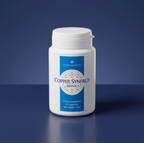
Sodium copper chlorophyllin is a plant-derived form of bound copper. CSR-01 by Copper Synergy provides 100 mg per capsule, alongside co-factors including vitamin A (800 mcg) and vitamin C (80 mg).
Important: Copper supplementation is not appropriate for individuals with Wilson's disease. Consult your healthcare provider before starting any copper supplement.
Sources:
- NINDS. "Tremor." Link
- Mayo Clinic. "Essential tremor." Link
- StatPearls. "Essential Tremor." NCBI
- Zimmerman AW et al. (1977). "Copper supplementation in quaking mutant mice: reduced tremors and increased brain copper." Science. Link
- PMC6941745. "Copper and the brain noradrenergic system." PMC
- PMC8698799. "Pathophysiology and treatment of essential tremor." PMC
Wondering where your copper levels stand?
Take the Copper Nutrition Quiz to find out.
Related research
Continue exploring this topic:
Frequently asked questions
What causes hand tremors?
Most hand tremors are benign and triggered by caffeine, stress, fatigue or low blood sugar. A fine action tremor (essential tremor) is common and harmless. Tremors can also relate to mineral imbalances or certain medications.
When should I worry about a tremor?
Consult a healthcare professional if a tremor is new, worsening, occurs at rest, affects one side, or comes with other symptoms such as stiffness or balance problems.
Is there a copper connection to tremors?
Copper contributes to the normal functioning of the nervous system, and research has associated both copper deficiency and copper overload with neurological symptoms. This article is educational, not a diagnosis; testing is the only way to know your levels.


